How Much Does It Cost to Buy a House in Florida in 2026?

Key Takeaways
- The answer to how much does it cost to buy a house in Florida goes well beyond the purchase price, with most buyers needing an additional 5% to 10% upfront for fees and closing costs.
- The average cost of a house varies by location, but the real impact often comes from ongoing housing costs like insurance, taxes, and maintenance.
- Have you been asking yourself how much money do you need to buy a house? Not just about what you need today, but what will feel comfortable months from now.
Most buyers start with the listing price. But in Florida, the real cost of buying a home depends on what happens after that number: closing costs, insurance, taxes, HOA fees, utilities, maintenance, and how predictable those expenses feel month to month.
Once buyers move past browsing, the additional costs become clearer.
What most buyers don’t realize is just how big the picture really is. Real estate isn’t just part of Florida’s economy; it’s the largest driver of it, generating over $288 billion each year.
A lender mentions closing costs. Someone brings up insurance. You hear about HOA fees, maybe maintenance, maybe things you had not even considered yet.Many buyers underestimate these costs early in the process.
Buyers usually start focusing on monthly affordability rather than the listing price alone. Not “Can I buy this home?” But “What is this really going to cost me once I’m living in it?”
Here’s what buyers should realistically budget for in Florida in 2026.
Average Cost of a House in Florida in 2026
Florida doesn’t give you one clear answer. Prices shift depending on where you are, and sometimes even block by block.
In Miami, homes tend to sit on the higher end. Orlando and Tampa offer more flexibility, though even there, prices have steadily climbed. In places like Port Saint Lucie, there’s still a bit more room, but that gap is narrowing as more people move in.
For buyers comparing new construction options, this is where looking at specific communities matters. A Renar home in one Florida market may come with different HOA expectations, insurance considerations, commute patterns, and monthly ownership costs than a similar-priced home somewhere else.
So yes, there is an average cost of a house, but it doesn’t always tell you what it will feel like to actually live there.
Because once you move past browsing and into real decisions, that number becomes just one piece of a long-term financial commitment.
And it still doesn’t fully answer how much does it cost to buy a house in a way that reflects your day-to-day life.
Upfront Costs: What You Need Before Buying
Upfront costs are usually the first financial reality check for buyers. Before you ever get the keys, there’s already a level of commitment being asked of you.
The down payment is the first thing most people think about. And it is important. But it’s not the only piece that matters.
Some buyers put down 3%. Others aim higher to create more stability long term. Even small down payment differences can affect long-term costs.
Then there are the costs that quietly sit in the background until you’re close to closing.
Typical Closing Costs in Florida
For a $400,000 home purchase in Florida, buyers may typically budget for:
- Loan origination fees: $1,000–$3,000
- Title insurance and title fees: $2,000–$4,000
- Appraisal and inspection costs: $500–$1,200
- Prepaid taxes and insurance: several months upfront
- Escrow funding and lender-related fees
These costs vary by lender, location, and loan type, but they often catch buyers off guard when they only focus on the down payment.
Buyers should request a detailed estimate early in the process, especially when comparing communities, lenders, and new construction options.
Ongoing Housing Costs Homeowners Must Budget For
Owning a home means budgeting for ongoing monthly and yearly expenses, not just the initial purchase.
These ongoing housing costs become part of your everyday life, even when you’re not thinking about them. Property taxes are steady, though they vary depending on the area.
Insurance costs are far less predictable in Florida, where two similar homes can carry dramatically different premiums depending on flood zones, age, and location.
HOA fees can either feel manageable or surprisingly high, depending on the community.
And then there’s maintenance. It doesn’t always show up right away, but over time, it becomes one of the most real parts of ownership.
A More Realistic Monthly Picture
For many buyers, this is the point where the budget starts to become easier to calculate. The home price may fit comfortably on paper, but the monthly ownership picture is what shapes day-to-day affordability.
For example, two buyers purchasing homes at the same price point may end up with very different monthly costs depending on HOA fees, insurance requirements, and property taxes.
Example Monthly Costs for a $400,000 Florida Home in 2026:
| Expense | Estimated Monthly Cost |
| Mortgage Payment | $2,200–$2,500 |
| Property Taxes | $350–$500 |
| Homeowners Insurance | $250–$450 |
| HOA Fees | $100–$350 |
| Utilities & Cooling | $250–$400 |
| Maintenance Savings | $150–$300 |
This is also where new construction can help some buyers plan with more confidence. Newer homes may offer updated systems, energy efficient features, and fewer early repair concerns than older resale homes, which can make the first years of ownership easier to budget for
Hidden Costs of Buying a Home in Florida
Some parts of homeownership don’t show up clearly in the beginning. Not because they’re hidden, but because they’re not always part of the first conversation.
In Florida, a few of these tend to stand out.
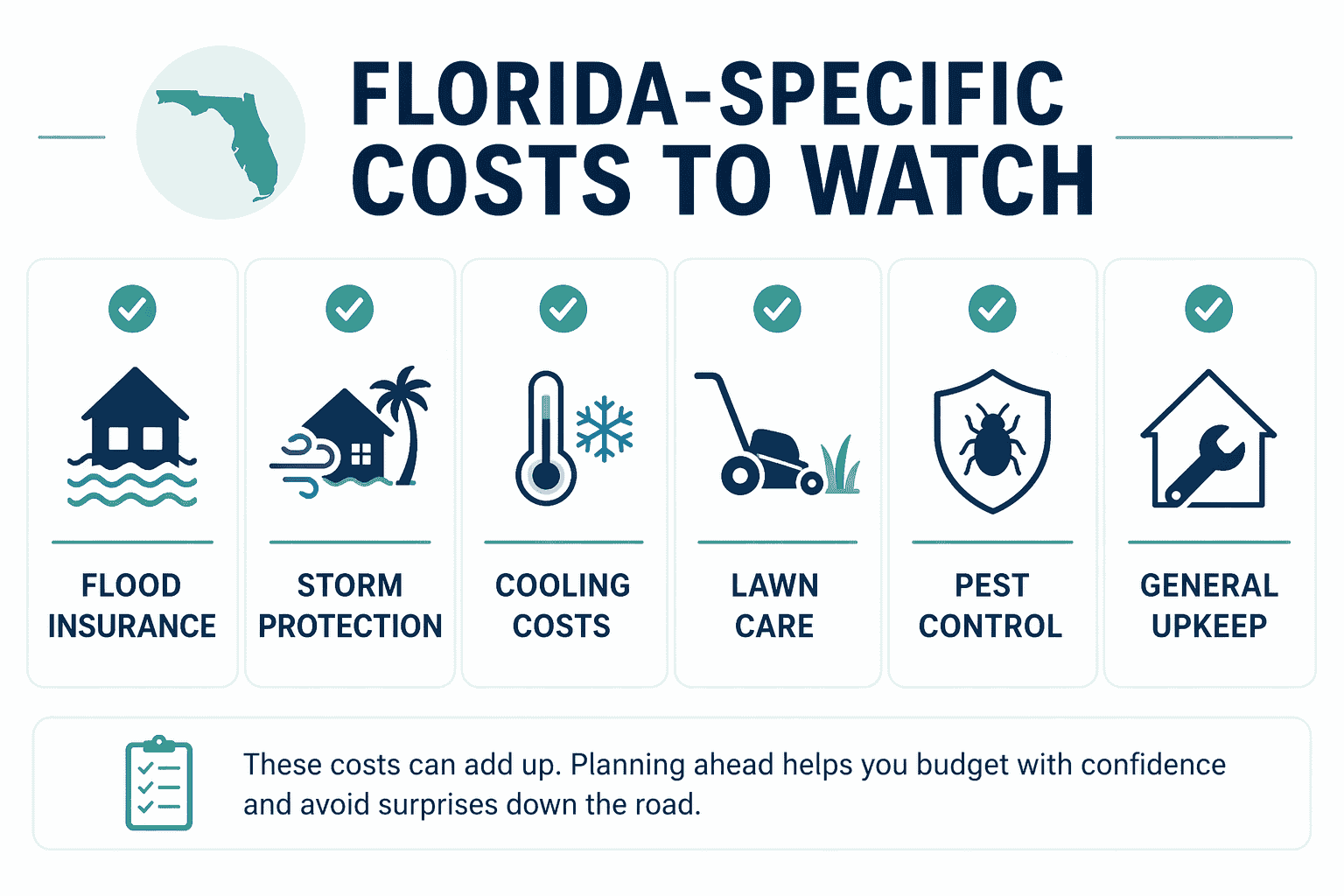
Florida-Specific Costs to Watch
In some Florida coastal markets, homeowners’ insurance alone can exceed $4,000 to $7,000 annually depending on the property and flood zone.
Depending on the location, buyers may also need flood insurance, storm shutters, or other hurricane-protection upgrades.
Cooling costs are another important factor. Summer utility bills in Florida can fluctuate significantly depending on home age, insulation quality, square footage, thermostat habits, and AC efficiency.
And then there are the quieter costs. Lawn care. Pest control. General upkeep that becomes part of your routine.
Together, these expenses can significantly increase long-term ownership costs.
Why Many Buyers Prefer New Construction Homes
For many buyers, newer construction helps remove some of the uncertainty that comes with older homes.
New systems, updated building standards, energy-efficient features, and builder warranties can make monthly budgeting feel more predictable during the first few years of ownership.
Buyers also have more flexibility when choosing communities, layouts, and available homes that fit both their lifestyle and budget goals.
For first-time buyers especially, having guidance throughout the process can make a major difference when navigating financing, timelines, and long-term planning.
How Much Money Do You Need to Buy a House?
This question is often asked in a very practical way. But the answer is a little more personal than most expect.
At a minimum, you need enough to cover your down payment and closing costs. Many buyers prefer to keep additional savings after closing instead of using every available dollar upfront.
Minimum vs. Recommended Savings
A more comfortable approach usually includes:
- Down payment
- Closing costs
- A financial cushion
- Room for early adjustments or repairs
For a $400,000 home, that might look like:
- Minimum: $20,000 to $50,000
- More comfortable: $40,000 to $80,000 or more
Thinking about how much money do you need to buy a house this way changes the experience. A stronger savings cushion reduces financial stress after closing.
Financing and Mortgage-Related Expenses
Financing affects both your approval amount and your long-term monthly budget
Interest rates are a big part of that. Even a small difference can change what you pay over time. PMI can also become part of your monthly cost if your down payment is lower.
Then there are lender fees, which vary more than people expect.
How Interest Rates Impact Total Cost
On paper, a 1% difference in interest might not seem like much. Over time, it becomes very real.
On a $400,000 home, that difference can mean tens of thousands more over the life of the loan.
That’s why buyers should compare loan estimates carefully instead of focusing only on the purchase price.
Tips to Reduce Your Total Home Buying Costs
There are ways to approach this more thoughtfully.
Some buyers take the time to compare lenders, and that alone can make a meaningful difference.
Others look for opportunities to negotiate closing costs, especially in certain markets.
Location also plays a role. Sometimes moving just slightly outside a high-demand area changes both the purchase price and long-term housing costs.
First-Time Buyer Programs in Florida
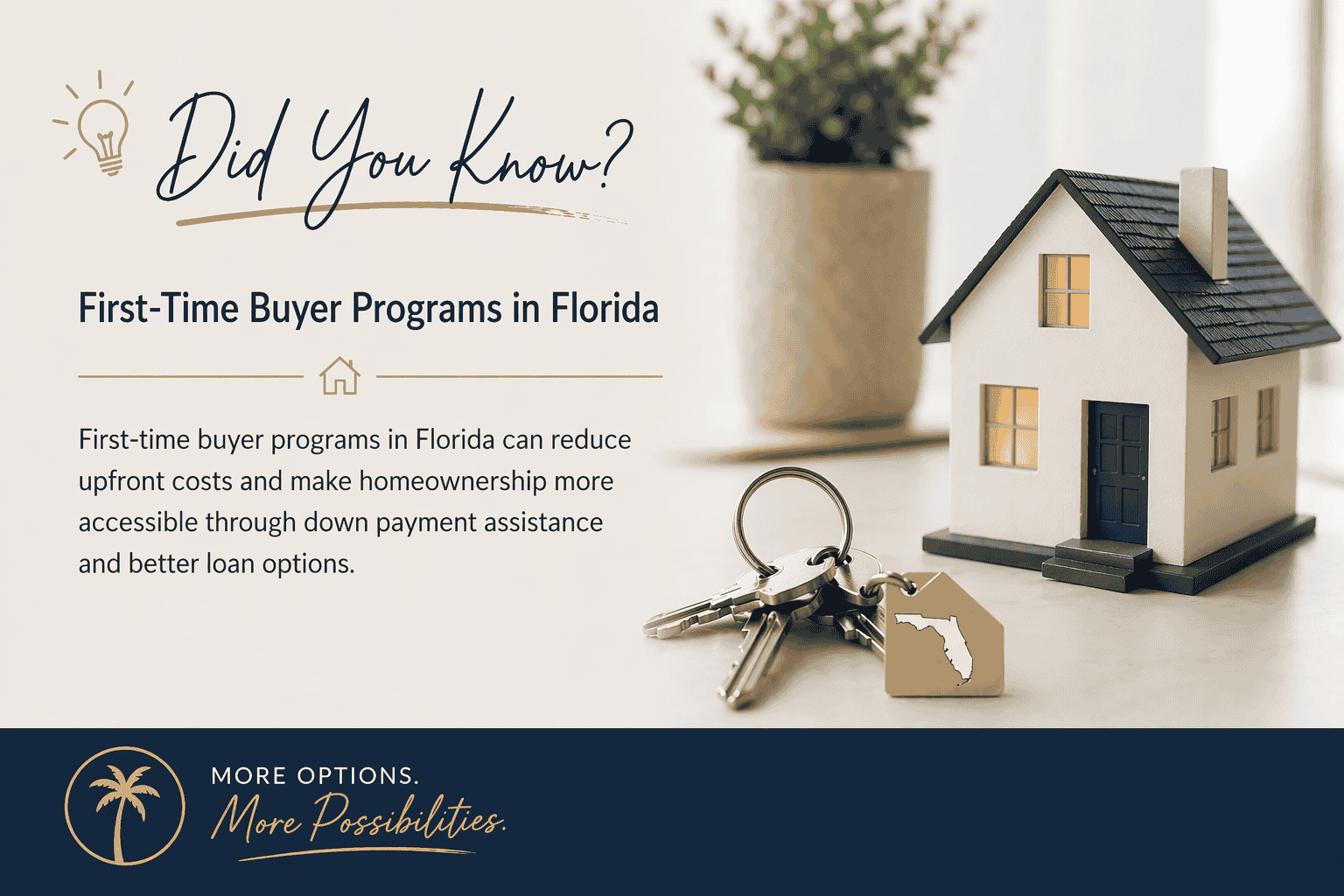
There are also programs designed to make things more accessible.
Some help with down payments. Others offer more favorable loan terms.
Exploring these options early can help buyers understand how much cash they may need before closing.
How Renar Helps Buyers Plan Beyond the Purchase Price
Buying a home is not just about choosing a floor plan or monthly mortgage payment. Renar helps buyers look at the full ownership picture, including available homes, community options, HOA expectations, location factors, home features, and long-term affordability.
That guidance is especially important in Florida, where insurance, taxes, utilities, and community fees can change the monthly cost from one home or neighborhood to another.
What This Really Means for You
Buying a home affects both your finances and long-term lifestyle.
Monthly costs, insurance, taxes, and maintenance all affect long-term affordability.
When you look at overall cost of ownership, it helps to see the full picture. Not just the price, but everything around it. Long-term affordability matters just as much as qualifying for the purchase.
Frequently Asked Questions about Buying a Home in Florida
1. How much does it cost to buy a house in Florida in 2026?
When people ask how much does it cost to buy a house, they are often thinking about the purchase price. In reality, closing costs, insurance, and ongoing housing costs all need to be included to understand the full picture.
2. What are the most common hidden housing costs?
Hidden housing costs often include insurance, maintenance, utilities, and Florida-specific expenses like storm protection and flood-related coverage. Coastal homes may also require more frequent exterior maintenance because of humidity and salt exposure.
3. How much money do you need to buy a house comfortably?
Understanding how much money do you need to buy a house means planning for more than the minimum. A financial cushion for repairs and unexpected costs helps create a more stable experience.
4. Is the average cost of a house in Florida increasing?
Yes, the average cost of a house continues to rise in many parts of Florida, especially in areas with strong demand and population growth.
5. How can I reduce the total cost of buying a home?
To reduce how much does it cost to buy a house, buyers often compare lenders, explore assistance programs, and consider locations with lower long-term housing costs.