Best New Home Communities in Florida for 2026

Key Takeaways
- The best new home communities in Florida are not just well-built, they’re thoughtfully designed around how people actually live.
- A good neighborhood is less about appearances and more about how comfortable and practical it feels day to day.
- When comparing new home communities in Florida, the right choice usually comes down to lifestyle fit, not just price or location.
Florida home prices have increased by more than 80% over the past five years, dramatically reshaping what buyers can afford and where they choose to live.
That kind of shift doesn’t just affect budgets. It changes how people think about location, value, and long-term decisions.
Choosing a new home community in Florida is not just about the floor plan or price point. Buyers also need to consider commute times, nearby services, HOA expectations, community growth, amenities, and how the neighborhood feels during everyday routines.
A community that looks good during a quick tour may feel very different once you factor in school runs, grocery trips, weekend traffic, storm season access, and long-term maintenance.
What Are New Home Communities in Florida?
At a glance, new home communities seem straightforward. Homes that are newly built, often within a development. But once you start looking closer, the differences show up quickly.
Some communities are relatively small, with only a handful of homes and limited shared amenities. Others are designed around a much broader long-term vision.
That’s where master-planned communities come in. These aren’t just groups of homes. They’re designed environments. Streets, green spaces, amenities, sometimes even schools and retail areas are all part of the plan from the start.
That distinction matters more than people expect. A resale neighborhood evolves over time. A new community is shaped early, often very intentionally.
When buyers explore new home communities in Florida, they’re often responding to that feeling without even realizing it.
Benefits of Living in Master-Planned Communities
There’s a certain ease that comes with master-planned communities. You start to notice it in small ways.
You can go for a walk without thinking about where to go. There are spaces designed for it. Parks that feel like they belong there. Amenities that are actually used, not just advertised.
For some people, that structure makes daily life simpler. Everything feels a bit more connected.
Are Master-Planned Communities Worth It?
For a lot of buyers, yes. But not for the reasons you might expect. It’s not just about having a pool or a gym nearby. It’s about how those things shape your routine.
At the same time, they’re not for everyone. Some buyers prefer less structure. Fewer rules. Lower fees. A neighborhood that feels a little more organic.
It’s less about what’s “better” and more about what feels right for you.
Florida Communities Buyers Are Paying Attention To
Across Florida, buyers are increasingly drawn to communities that offer a balance between affordability, convenience, and long-term livability.
Instead of focusing only on large-name developments, many homebuyers are prioritizing communities that feel practical for everyday life. That often means neighborhoods with nearby schools, access to major commuting routes, walkable amenities, and room for future growth.
Some of the strongest demand is happening in areas where new construction is still expanding thoughtfully rather than feeling overcrowded.
Communities across Florida’s Treasure Coast, especially areas like Port Saint Lucie, continue to attract buyers looking for more space, newer homes, and a slower pace without losing access to everyday essentials.
For many buyers, this is also where builders like Renar become part of the search, especially when comparing new homes in growing Florida markets where space, lifestyle, long-term value, and everyday livability matter just as much as the home itself.
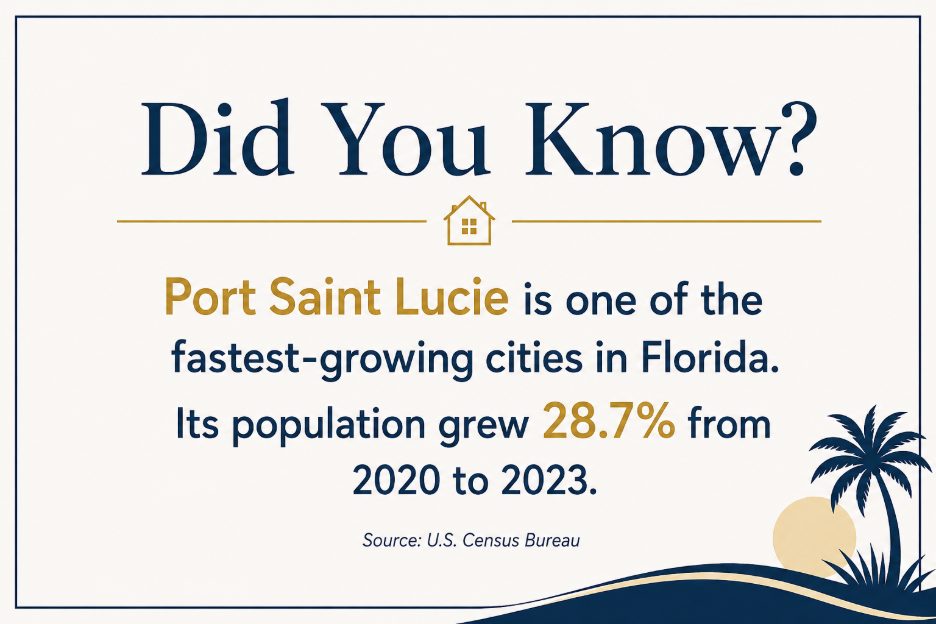
According to the U.S. Census Bureau, Port Saint Lucie’s population grew 28.7% from 2020 to 2023. That growth helps explain why buyers are paying closer attention to newer communities across the Treasure Coast.
For many buyers, the appeal of Florida’s newer master-planned communities comes down to a few key features:
- Access to walking trails, public golf courses, boat ramps, and community parks
- Family-friendly neighborhood layouts
- Modern infrastructure and newer utilities
- Nearby shopping, dining, and healthcare
- Flexible home options for first-time buyers, families, and retirees
These are the types of environments many buyers are prioritizing when exploring new home communities in Florida.
When comparing Renar communities, buyers should look beyond the home itself and consider how the neighborhood supports their everyday lifestyle, long-term comfort, and future goals.
What Buyers Are Looking for in New Florida Communities
The most desirable communities today are not necessarily the most expensive or the most well-known. Buyers are paying closer attention to how neighborhoods function day to day.
That includes things like:
1. Growth Potential
Areas with expanding infrastructure, new retail development, and increasing job opportunities often hold stronger long-term value.
2. Lifestyle Convenience
Communities close to schools, beaches, golf courses, or commuter routes continue to attract consistent demand across Florida.
3. Thoughtful Community Planning
Well-designed master-planned communities tend to feel more cohesive, with amenities and layouts designed around how residents actually live.
4. Affordability Compared to Major Metro Areas
Many buyers are moving toward emerging Florida markets where they can still find attainable new construction homes without sacrificing quality of life.
Best Communities by Budget Range
- More budget-conscious buyers often lean toward growing areas where development is still expanding
- Mid-range buyers tend to find stability in established new home communities
- Higher-end buyers often focus on gated or coastal master-planned communities
There isn’t a single “best” option. It depends on what stage you’re in and what you’re trying to prioritize.
What Makes a Good Neighborhood in Florida?
A good neighborhood usually becomes obvious through small practical details. Pay attention to how busy the roads feel during normal weekday hours, whether nearby retail looks stable or constantly changing, and how well public spaces are maintained outside the main entrances.
In many Florida communities, buyers also pay close attention to drainage, tree coverage, and how close essential services are during storm season. Those factors may not stand out during a quick tour, but they affect day-to-day living more than decorative features ever will.
Signs of a High-Quality Neighborhood
- Homes are consistently looked after, not just a few standout properties
- Everyday errands feel easy, not like a chore
- There’s a sense of movement or growth in the area
- It feels comfortable, even when you’re not actively looking for something
When people choose between new home communities, these are often the details that quietly guide their decision.
Key Features to Look for in New Home Communities
Not every new home community is built with the same level of care.
Some communities already have mature landscaping, completed amenities, and stable occupancy, while others are still actively developing.
Infrastructure is one of those things you don’t always notice right away, but it matters. Roads, drainage, layout. These shape your daily experience more than expected.
HOA rules also come into play. Some are reasonable. Others feel restrictive depending on your lifestyle.
And then there are the shared spaces. The parts of the community you don’t own but still experience every day.
Questions to Ask Before Buying
- What are the HOA fees really covering?
- Is the area still developing, or mostly complete?
- How are shared spaces maintained over time?
- Does the community feel the same on a weekday as it does on a weekend?
These questions tend to reveal more than brochures ever will.
Location Factors That Impact Home Value
Prospective buyers are also paying closer attention to emerging Florida markets like the Treasure Coast, including growing areas near Port Saint Lucie and Fort Pierce, where ongoing development and population growth continue to increase demand for newer homes and master-planned communities.
Buyers may love the community itself, but the location is often what seals or kills the decision. It shapes your commute, how often you drive, and how easily you can access the places you visit every day.
Jobs, schools, shopping, healthcare, and beaches all continue to influence long-term demand and home value.
Urban vs. Suburban Communities
Urban communities may offer quicker access to work, dining, and entertainment, but they often come with increased traffic, higher costs, and less personal space.
rSuburban communities tend to provide a quieter pace and more room to grow, though buyers should still think carefully about commute times, schools, healthcare, and access to everyday services.Neither is better across the board. It comes down to how you want your days to unfold.
Comparing Master-Planned vs. Traditional Neighborhoods
The difference between master-planned communities and traditional neighborhoods becomes clearer the longer you look. Master-planned communities feel intentional. Structured. Designed.
Traditional neighborhoods feel more flexible. Sometimes less polished, but also less controlled.
Pros and Cons of Each Option
Master-Planned Communities
- Amenities are built in
- The environment feels consistent
- Fees tend to be higher
Traditional Neighborhoods
- More freedom in how homes are used
- Often lower ongoing costs
- Less centralized design
It’s not about one being better.
It’s about what you’re comfortable with long term.
Tips for Choosing the Right Community for Your Lifestyle
Choosing between new home communities often becomes a process of eliminating places that don’t fit your routine. Some buyers realize they don’t want a long drive to schools or grocery stores.
Others decide HOA restrictions matter more than they expected once they review the actual policies. Retirees may prioritize quieter streets and healthcare access, while younger families often focus on parks, sidewalks, and future school capacity. The right choice usually becomes clearer once you stop comparing communities as investments and start imagining ordinary weekdays there.
Checklist for Homebuyers
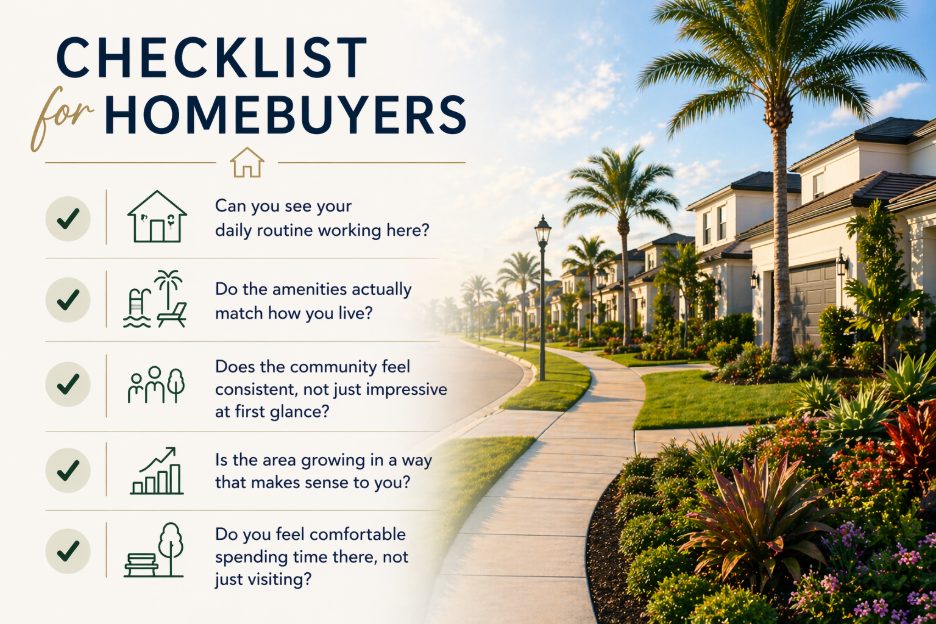
- Can you see your daily routine working here?
- Do the amenities actually match how you live?
- Does the community feel consistent, not just impressive at first glance?
- Is the area growing in a way that makes sense to you?
- Do you feel comfortable spending time there, not just visiting?
These questions tend to lead to better decisions than focusing on price alone.
What This Decision Really Shapes
The right community should support everyday life, not just make a strong first impression during a tour. Before making a decision, buyers should compare location, commute times, HOA expectations, amenities, nearby services, future growth, and how the neighborhood actually feels during a normal weekday.
For buyers exploring new home communities in Florida, Renar can help narrow the search by connecting them with homes and communities that align with both their lifestyle needs and long-term goals.
FAQs About New Home Communities in Florida
New home communities in Florida are neighborhoods where homes are newly built, often within planned developments that may include shared amenities and infrastructure.
New home communities in Florida are neighborhoods where homes are newly built, often within planned developments that may include shared amenities and infrastructure.
A good neighborhood usually includes safety, convenience, strong upkeep, and signs of growth or long-term stability.
When comparing new home communities, focus on how the area fits your lifestyle, not just the features it offers.
Some new home communities in Florida may cost more upfront or include HOA fees, but they often offer added value through planning and amenities.